

Thinking About PRP Hair Treatment? Here's Everything You Need to Know
Updated on: June 09, 2026 | Modified by: Poorana Priya
If you've been researching solutions for hair thinning, chances are you've come across PRP hair treatment.
But what exactly is PRP? Does PRP really work for hair growth? How is the procedure performed? How many sessions are needed? And what kind of results can you realistically expect?
PRP (Platelet-Rich Plasma) hair treatment has become one of the most widely discussed non-surgical hair restoration procedures because it uses growth factors derived from your own blood to support hair follicle activity and scalp health.
In this guide, we'll explore everything you need to know about PRP hair treatment—from how it works and who may benefit from it to the procedure, recovery, expected results, and frequently asked questions.
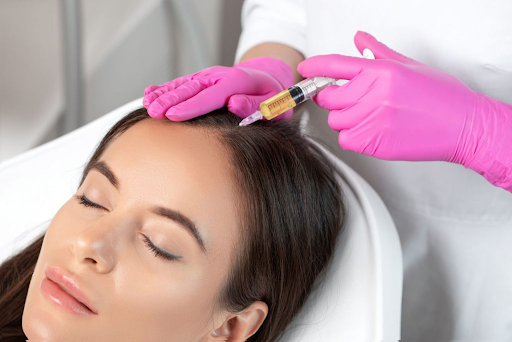
What Is PRP Hair Treatment?
PRP (Platelet-Rich Plasma) hair treatment is a non-surgical hair restoration procedure that uses concentrated platelets extracted from a person's own blood.
Platelets contain naturally occurring growth factors that play a role in tissue repair and regeneration. When concentrated and delivered into areas affected by hair thinning, these growth factors help support hair follicle function and encourage healthier hair growth cycles.
Because PRP is prepared from the patient's own blood, it is considered an autologous treatment, making it a popular option for individuals seeking a minimally invasive approach to hair restoration.
How Does PRP Hair Treatment Work?
Hair follicles require adequate nourishment, blood supply, and growth support to maintain healthy hair growth.
During PRP Hair Treatment, platelet-rich plasma containing concentrated growth factors is introduced into targeted areas of the scalp. These growth factors help support:
➤Hair follicle nourishment
➤Improves Scalp blood circulation
➤Hair growth cycle activity
➤Follicle strengthening
➤Hair density improvement
The goal of treatment is not simply to reduce hair fall but to create a healthier scalp environment that supports stronger hair growth over time.
Does PRP Really Work for Hair Growth?
PRP Hair Treatment is designed to support hair follicle activity by delivering concentrated growth factors directly to areas affected by hair thinning. These growth factors may help improve scalp health, reduce excessive hair shedding, and support healthier hair growth cycles.
While results vary from person to person, PRP is commonly recommended for individuals experiencing early to moderate hair loss where hair follicles are still active and capable of responding to growth stimulation.
Benefits of PRP Hair Treatment
Some of the potential benefits of PRP Hair Treatment include:
➤Supports healthier hair growth
➤Helps reduce excessive hair fall
➤Improves hair density and thickness
➤Strengthens weakened hair follicles
➤Uses the body's own growth factors
➤Minimally invasive procedure
➤Requires little downtime
➤Suitable for both men and women
Can PRP Regrow Hair?
PRP may help stimulate weakened or dormant hair follicles and support healthier hair growth in suitable candidates.
However, it is important to understand that PRP does not create new hair follicles. Instead, it works by supporting existing follicles that have become weakened over time.
Individuals with early to moderate hair thinning often experience better outcomes than those with long-standing baldness where follicles are no longer active.
Who Is an Ideal Candidate for PRP Hair Treatment?
PRP may be considered for individuals who:
➤Have early to moderate hair thinning
➤Experience excessive hair shedding
➤Have active hair follicles
➤Want a non-surgical hair restoration option
➤Are looking to improve hair density and thickness
A scalp evaluation can help determine whether PRP is appropriate for a specific hair concern.
How Is PRP Hair Treatment Done?
Step-by-Step Procedure for PRP Hair Treatment
One of the most common questions people have before considering PRP hair treatment is, "What actually happens during the procedure?"
PRP Hair Treatment follows a structured process that focuses on concentrating growth factors from your own blood and delivering them to areas affected by hair thinning. Here's a closer look at how the procedure works:
Step 1: Blood Collection
The process begins with the collection of a small blood sample, similar to a routine blood test. Since the treatment uses your own blood, PRP is considered an autologous procedure, making it highly compatible with the body's natural healing and regenerative processes.
Step 2: Centrifugation and Platelet Separation
The collected blood is then placed in a specialized centrifuge machine. This process separates the different blood components and concentrates the platelets, which are rich in growth factors.
These concentrated platelets form the Platelet-rich Plasma (PRP) that will be used during the treatment.
Step 3: Preparation of PRP
Once the platelet-rich plasma has been isolated, it is carefully prepared for application. The PRP contains concentrated growth factors that are believed to support scalp health, nourish hair follicles, and encourage healthier hair growth activity.
Step 4: Targeted Scalp Application
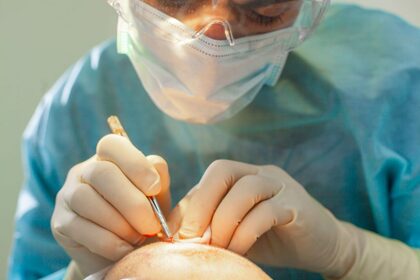
The prepared PRP is then delivered into areas experiencing hair thinning using precise micro-injection techniques. This targeted approach helps ensure that the growth factors reach the follicles that need support.
The goal is to help stimulate weakened follicles, improve scalp nourishment, and support healthier hair growth over time.
Step 5: Recovery and Aftercare
PRP hair treatment typically involves minimal downtime, allowing most individuals to return to their routine activities shortly after the procedure.
Following treatment, patients are usually provided with personalized aftercare guidance to help support scalp recovery and optimize treatment outcomes. Regular follow-ups may also be recommended depending on individual hair restoration goals.
PRP Hair Treatment Aftercare
Following aftercare instructions can help support recovery and treatment outcomes.
Common recommendations may include:
➤Avoid excessive scalp rubbing
➤Follow prescribed hair care guidance
➤Avoid harsh scalp treatments immediately after the session
➤Attend follow-up appointments as advised
Specific aftercare instructions may vary depending on the treatment plan.
Final Thoughts
PRP Hair Treatment has become a widely used non-surgical hair restoration option for individuals experiencing hair thinning, reduced hair density, and early-stage hair loss. By utilizing concentrated growth factors derived from your own blood, the treatment is designed to support scalp health, strengthen hair follicles, and encourage healthier hair growth over time.
While results can vary depending on factors such as hair loss severity, follicle health, and individual response, PRP may help improve hair density and overall hair quality when active follicles are still present. Understanding how the treatment works, what to expect during the procedure, recovery, and follow-up care can help you make a more informed decision about whether PRP Hair Treatment is suitable for your hair restoration goals.
FAQs
What is PRP hair treatment?
PRP hair treatment is a non-surgical procedure that uses platelet-rich plasma derived from a person's own blood to support hair growth.
Does PRP really work for hair growth?
PRP may help support hair follicle activity, reduce hair shedding, and improve hair density in suitable candidates.
Can PRP regrow hair?
PRP may help stimulate weakened follicles but does not create new follicles.
Is PRP good for hair loss?
PRP is commonly used as a non-surgical option for individuals experiencing hair thinning and hair loss.
How many PRP sessions are needed?
The number of sessions varies based on hair loss severity and individual treatment goals.
Is PRP painful?
Most individuals experience only mild discomfort during the procedure.
What is the recovery time after PRP?
PRP typically involves minimal downtime, allowing most individuals to return to normal activities quickly.
When will I see PRP results?
Many people notice gradual improvements in hair shedding, thickness, and density over several months.
Can both men and women undergo PRP treatment?
Yes. PRP is commonly used for both male and female hair loss concerns.
Is PRP a permanent solution for hair loss?
Hair loss is often an ongoing condition, and maintenance sessions may be recommended to support long-term results.